EMCC Global Conference 2026
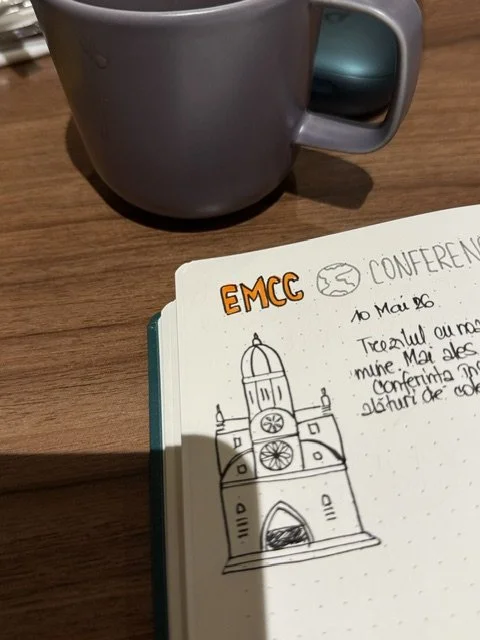
Article written and illustrated by Ana M. Marin - EMCC Romania member
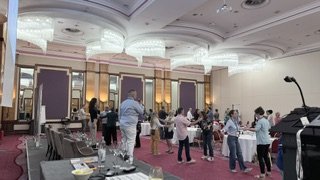
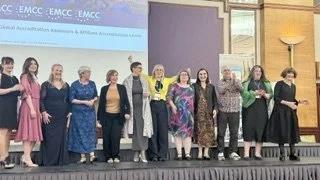
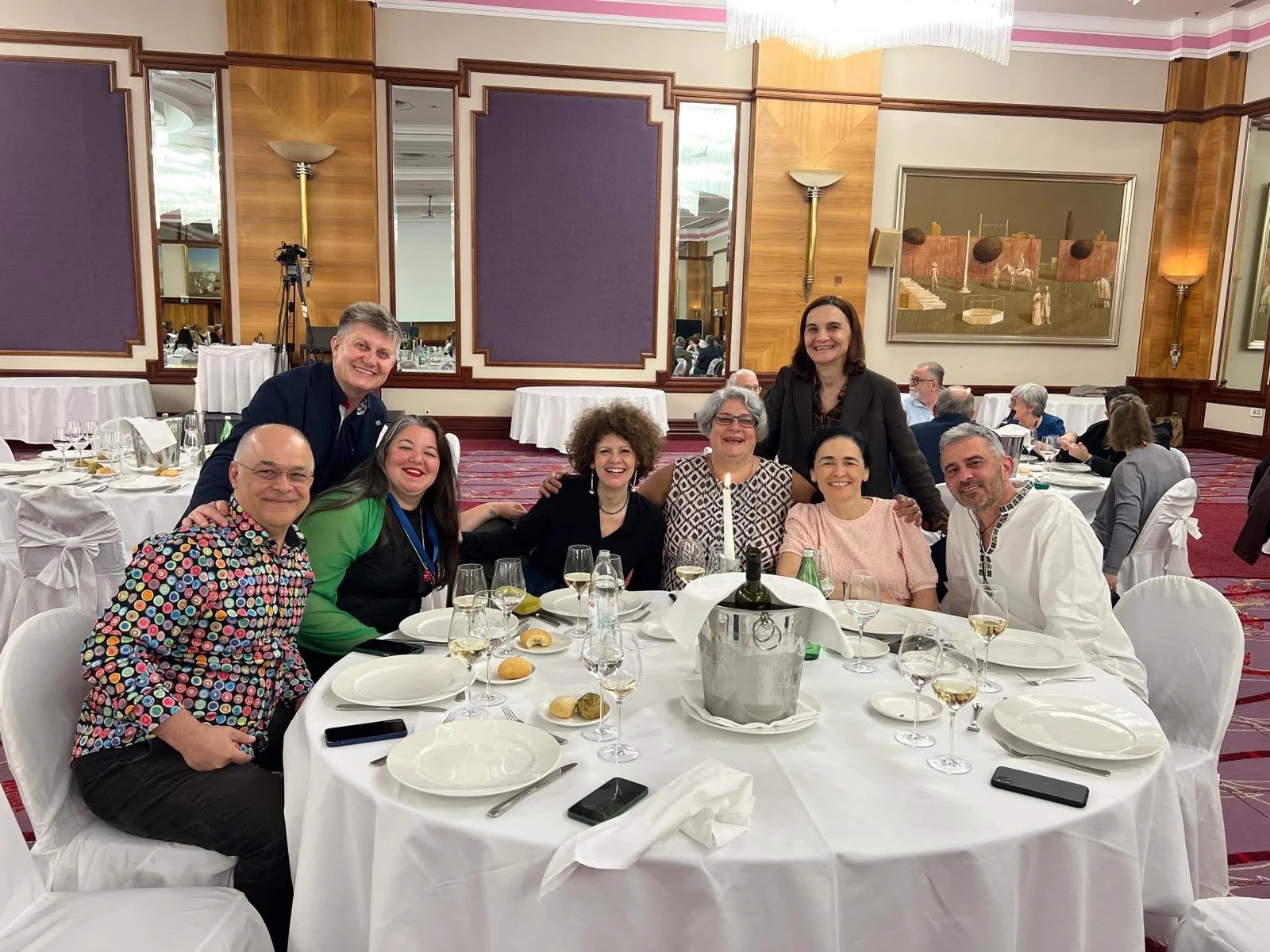
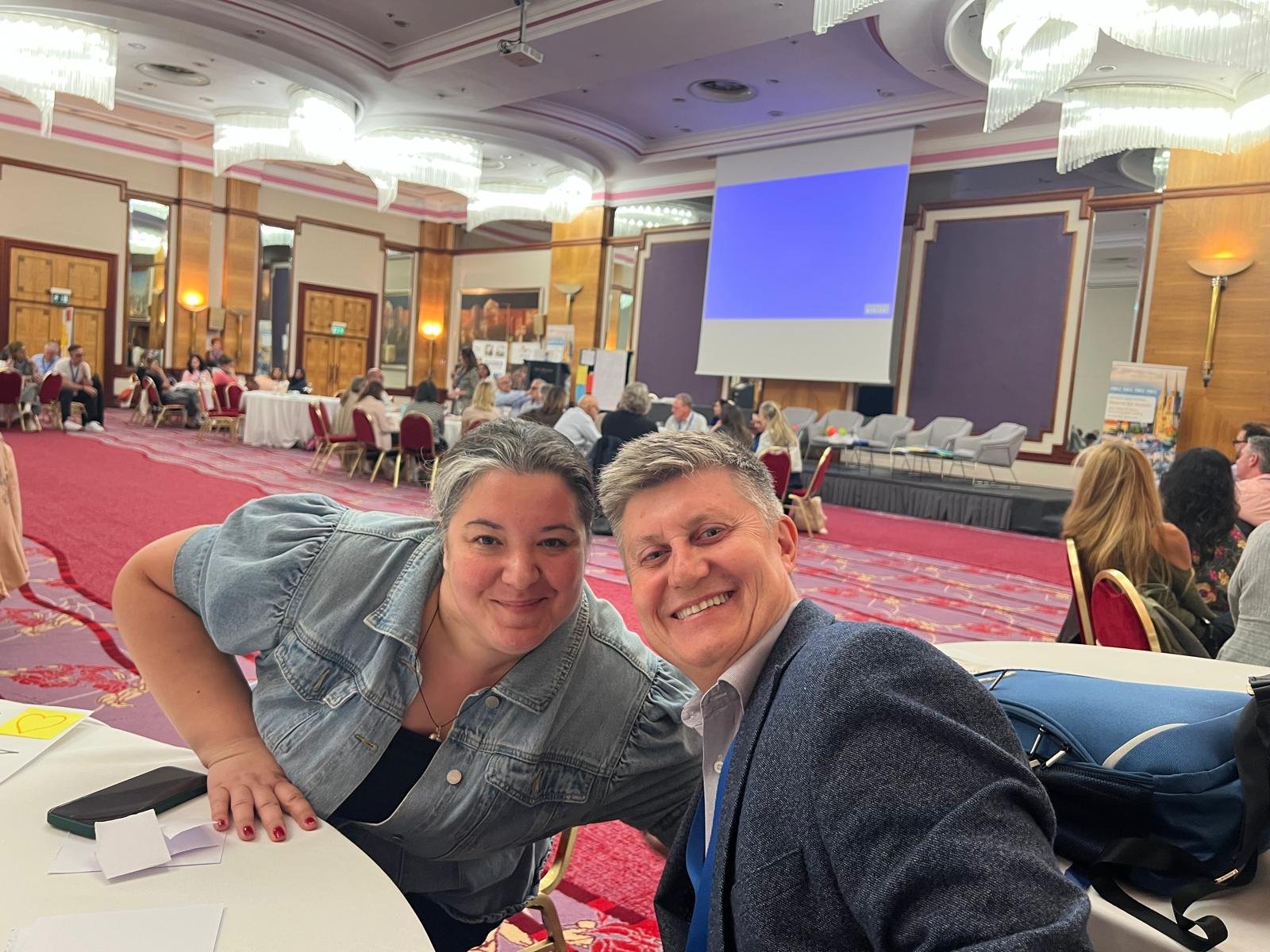
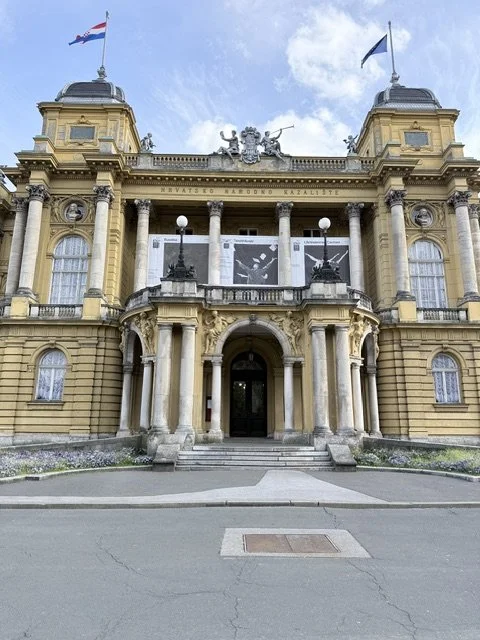
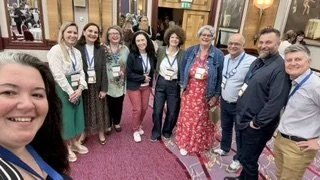
Beyond the photographs, conversations and LinkedIn highlights, the real value of the EMCC Global Conference 2026 in Zagreb revealed itself in something far less tangible: a collective invitation to move from doing towards being.
For me, the conference was far more than an opportunity to reconnect with colleagues and friends from around the world. It felt like the continuation of a journey that began years ago through the MOZAIC Reciprocal Mentoring Programme, was strengthened by the international events organised by EMCC Romania, and has been shaped by every EMCC Global conference I've had the privilege to attend so far online or face to face.
Each of those experiences has expanded not only my professional network but also the way I think, listen and show up in my practice. Zagreb became another milestone on that path—a space to gather new perspectives, challenge long-held assumptions, and reflect on how the conversations, ideas and moments from those three days can deepen my work as a coach, mentor and supervisor.
From the opening day, one message echoed consistently across keynote sessions, panels and conversations: coaching is, at its core, an act of presence rather than performance. Expertise matters, but it is no longer enough. What increasingly differentiates us as practitioners is our capacity to remain fully present in complexity, uncertainty and not knowing. The most meaningful growth in the room came not from offering answers, but from allowing ourselves to be transformed by the questions, experiences and perspectives of others.
That feels like an important reminder. Development does not simply flow from coach to client, mentor to mentee, or facilitator to participant. When we genuinely enter the relationship with curiosity, it becomes reciprocal. Every conversation has the potential to reshape both people involved.
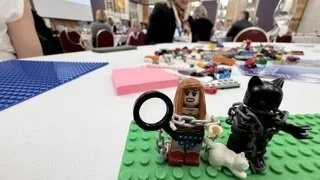
One of the highlights for me was co-facilitating a team coaching experience alongside colleagues from the EMCC Centre for Excellence for Team Coaching (Gratitude for being nominated to be present there). Together, we created a developmental journey that invited participants to explore the progression from Being, to Becoming, to Leading: mirroring the overarching architecture of the conference itself. Rather than focusing on solutions, we focused on creating enough psychological safety for people to pause, notice what was present, and understand what each stage required before moving forward.
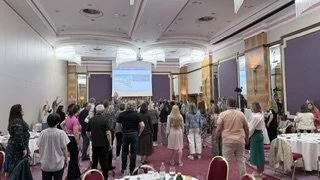
Working with real-time team dynamics under time pressure, participants experienced how a team can move from feeling stuck into genuine reflection, not because someone provided better answers, but because the quality of attention shifted. Often, what unlocks movement is not another intervention, but the willingness to remain with what is emerging for just a little longer.
The second day reinforced another important lesson: discomfort is not necessarily a problem to solve. It can be developmental material. Some of the richest conversations emerged precisely because they stayed with uncertainty rather than rushing towards certainty.
The discussions around artificial intelligence brought additional urgency to this reflection. As AI becomes increasingly capable of gathering information, generating questions and supporting process, our distinctive contribution as coaches becomes less about technique and more about judgement, ethics, discernment and embodied presence. The future of coaching may well depend less on what we know and more on who we are when we are with another human being. That is both challenging and deeply reassuring.
One question stayed with me afterwards: What does my own development plan need to include this year? Not simply new models or certifications, but deliberate practice around those deeply human capacities that technology cannot replicate: presence, systemic awareness, ethical maturity, courage and genuine curiosity.
The experiential learning throughout the conference reinforced this beautifully. Sessions exploring embodied leadership, systemic awareness and supervision reminded me that some of our most significant learning happens through experience rather than analysis. Observing and participating in somatic work during the supervision-focused part was a powerful reminder that insight is not only cognitive; sometimes the body notices what the mind has yet to articulate. That dimension of practice deserves far more attention than we often give it.
Looking back, I also appreciated the intentional design of the conference itself. The progression through Being, Becoming and Leading was more than an elegant theme; it became a practical framework for reflection.
Being — What am I noticing about myself, my clients and the systems I work within?
Becoming — What is changing in the way I think, relate and practise?
Leading — How are those changes influencing the way I create space for others to grow?
As I return to practice, one reflection continues to accompany me:
Where, in your coaching, mentoring or leadership conversations, are you quietly prioritising action over presence? And what might become possible if, before doing anything else, you simply allowed yourself, and those you serve, to stay with what is already present?